
Start with how you will cook it
Tell the butcher if you plan to grill, roast, braise or pan-fry. Quick, hot cooking suits tender cuts like ribeye and flank steak. Long, slow cooking rewards ribs, shoulder and other cuts with more connective tissue.
What fresh looks like
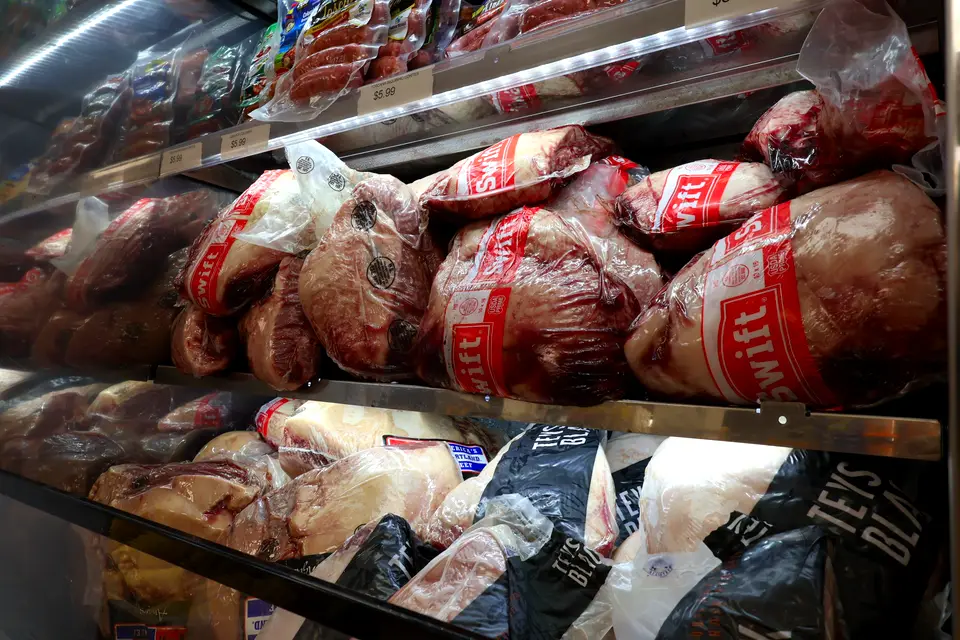
Fresh beef is bright to deep red and springs back when pressed. The surface should look moist, never sticky or dry at the edges. Fat should be white to cream and smell clean. Chicken should be pale pink with no strong smell.
Ask for what you need
A good counter can cut steaks to the thickness you want, grind beef while you wait and portion a large order for a party. Asking for exactly what your recipe needs saves money and waste.
Store it right at home
Keep meat in the coldest part of the fridge and cook ground meat within a day or two. Freeze what you will not use soon, flat in a sealed bag, and thaw it in the fridge, never on the counter.